
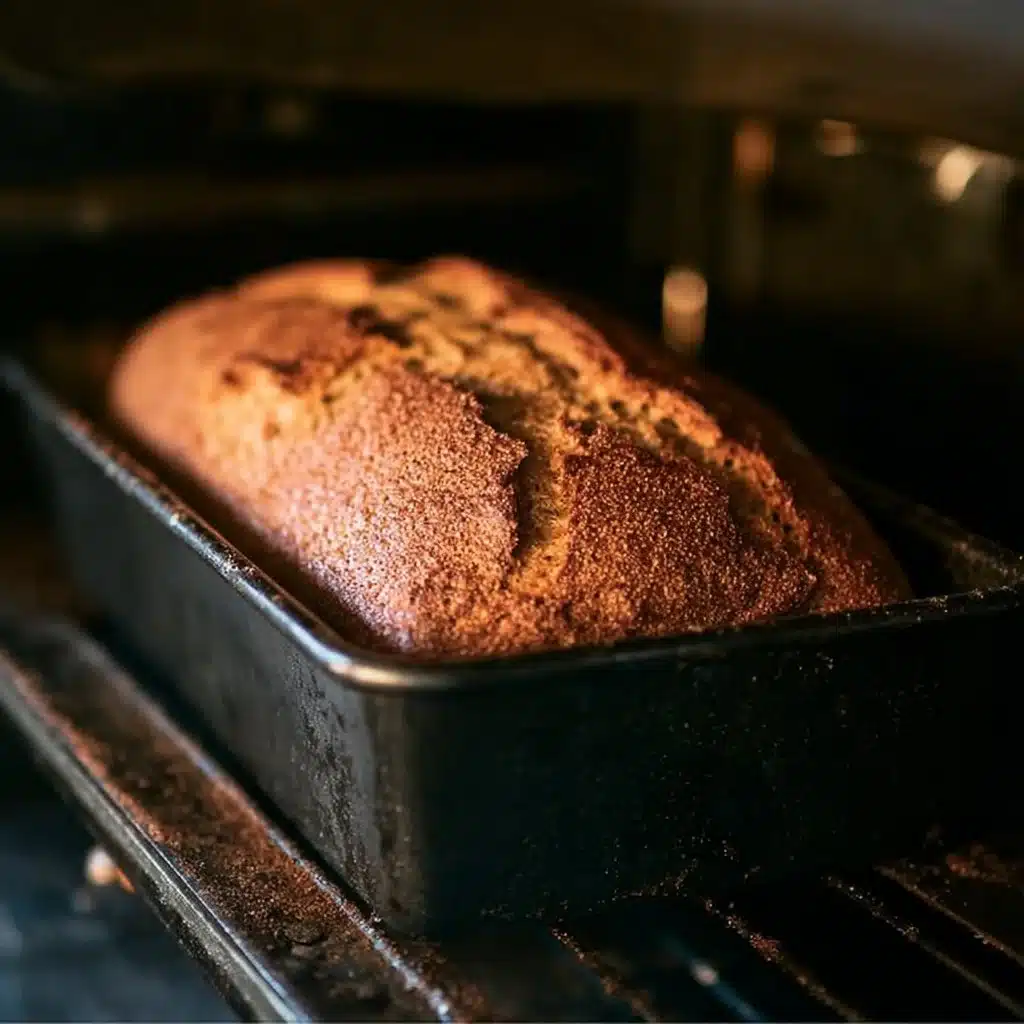
Ballymaloe Brown Bread arrives as a quietly refined loaf: nutty, dense, and warmly aromatic. Ballymaloe Brown Bread relies on wholemeal flour and buttermilk for a tender crumb with a pleasantly coarse texture. The crust browns deeply while the interior remains moist and slightly tangy. If you enjoy rustic loaves with contemporary ease, consider exploring a complementary method like our air-fryer bread for another elegant home-baked option.
Why Make This Recipe
- Effortless Yet Elegant: A simple mixing method produces a bakery-quality loaf without long waits or complicated equipment.
- Minimal Ingredients: Wholemeal flour, bicarbonate of soda, salt, and buttermilk give a pure, honest flavor.
- Impressive Flavor: The gentle tang of buttermilk and the toasted, nutty notes of wholemeal elevate an everyday bread into something memorable.
What elevates this version is attention to texture and timing: a light hand in mixing preserves a tender crumb, while a hot oven builds a crisp, caramelized crust. The result is familiar and sophisticated at once.
Ingredients
Base
- 400 g (about 3¼ cups) wholemeal (whole wheat) flour — sift if very coarse.
- 100 g (about ¾ cup) plain (all-purpose) flour — for structure.
Leavening & seasoning
- 1½ tsp bicarbonate of soda (baking soda) — evenly sifted through the flour.
- 1 tsp fine sea salt — adjust to taste.
Liquid
- 400–450 ml (about 1¾–2 cups) buttermilk, room temperature — add gradually to achieve a soft, slightly sticky dough.
Optional topping / enrichment
- 15 g (1 tbsp) unsalted butter, melted — brushed on the hot loaf for sheen (room temperature before use).
- Rolled oats or sunflower seeds for scattering on top (lightly press to adhere).
Precision notes: measure flour by weight for consistency; buttermilk should be at room temperature and whisked briefly.
How to Make Ballymaloe Brown Bread
- Preheat the oven to 220°C (425°F). Line a baking tray with parchment or lightly grease a 9×5-inch loaf tin and dust with a little flour. A very hot oven gives a crisp, bronze crust.
- In a large bowl, whisk the wholemeal and plain flours with the bicarbonate of soda and salt until evenly combined and pale in color. This ensures even lift and seasoning.
- Make a well in the center and pour in about 350 ml of the buttermilk. Using a wooden spoon, mix briskly until a rough, shaggy dough forms. The texture should be slightly sticky but cohesive; add the remaining buttermilk a tablespoon at a time if it seems dry.
- Turn the dough gently onto a lightly floured surface. Fold it over a few times — do not over-knead — until it holds together and has a slightly tacky surface. The crumb will be dense and moist rather than airy. Mini-tip: handle the dough with wet hands if it clings.
- Shape into a round or place into the prepared loaf tin, smoothing the top. Score a shallow cross on the top with a sharp knife to control expansion. Scatter oats or seeds and brush with melted butter for color.
- Bake for 30–35 minutes (in a loaf tin 40–45 minutes), until the crust is deeply golden and the loaf sounds hollow when tapped; an inserted skewer should come out mostly clean. Sensory cues: the aroma will be toasty and slightly sweet, and the crust will feel firm and crisp. Mini-tip: rotate the pan halfway for even browning.
- Cool on a wire rack for at least 30 minutes before slicing to set the crumb. Mini-tip: wrap the loaf in a clean kitchen towel while slightly warm to soften the crust if you prefer a gentler bite.
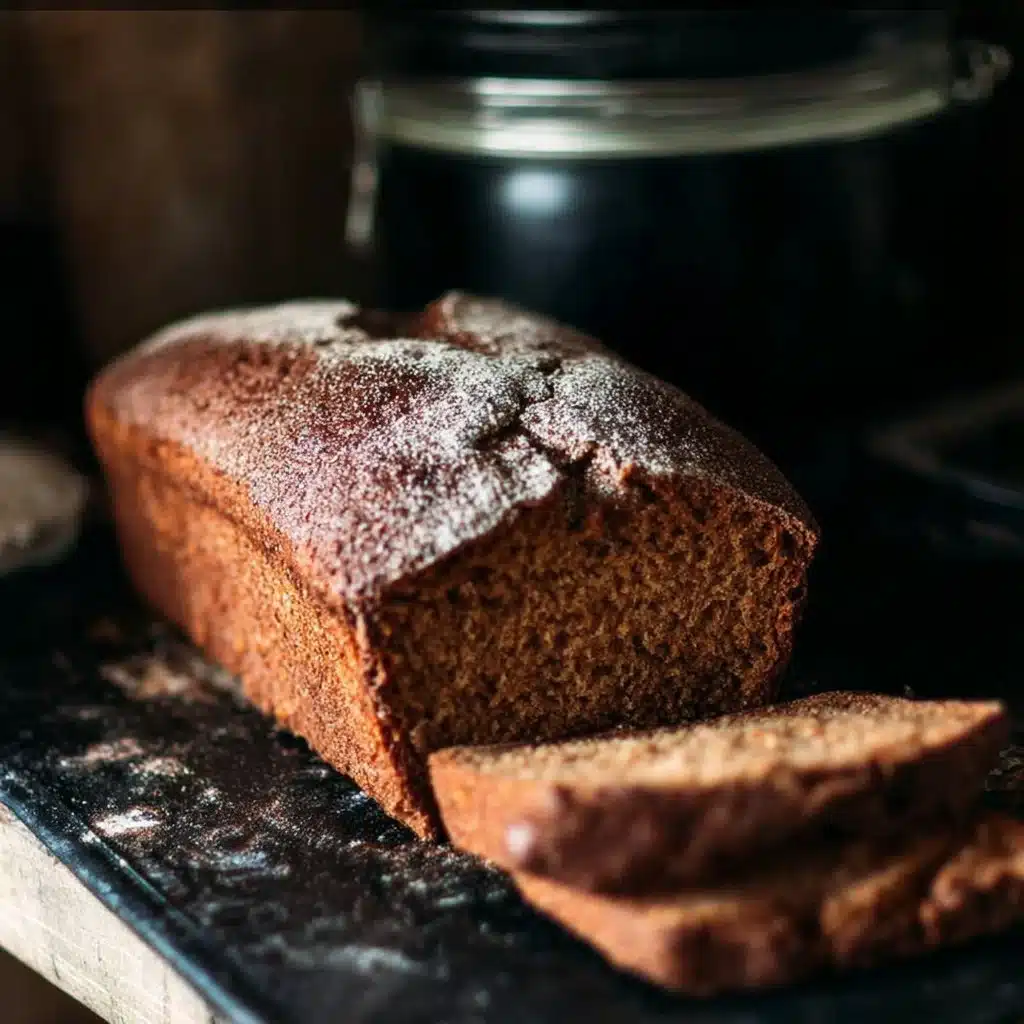
How to Serve Ballymaloe Brown Bread
Serve thick slices warm with salted butter to highlight the nutty wholemeal flavor. For a refined course, present thin slices with cultured butter and smoked trout or a soft cheese and quince paste. For an elegant breakfast board, offer honey, ricotta, and a scattering of toasted seeds. For a contrasting sweet pairing, serve alongside our banana bread brownies to balance rustic and confectionary textures.
How to Store Ballymaloe Brown Bread
Allow the loaf to cool completely before storing to prevent condensation. For short-term storage, wrap tightly in a clean tea towel then place in a loaf bag at room temperature for up to 3 days—this preserves crumb moisture while keeping the crust tender. To keep longer, slice and freeze in an airtight bag for up to 3 months; reheat slices in a toaster or warm oven (180°C / 350°F) for 8–10 minutes to revive texture. Avoid refrigeration, which accelerates staling.
Tips to Make Ballymaloe Brown Bread
- Measure flour by weight to maintain a consistent crumb density.
- Handle the dough gently; overworking breaks down wholemeal texture and yields a tougher loaf.
- Use room-temperature buttermilk for optimum rise and tender crumb.
- Brush the hot loaf with butter right out of the oven to deepen color and add gloss.
- Test doneness with a tap: a hollow sound signals a well-baked interior.
Variation (if any)
- Seeded Ballymaloe: fold 50–75 g mixed seeds (pumpkin, sunflower, flax) into the dough for added crunch and aroma.
- Slightly sweet: stir 1–2 tbsp honey into the buttermilk for a softer crust and a touch of caramelized sweetness.
- Whole-grain blend: swap half the plain flour for spelt or rye for a more complex, rustic profile.
- Presentation upgrade: slice thinly, toast, and serve as elegant crostini with savory spreads.
FAQs
What can I use if I don’t have buttermilk?
Mix 1 tbsp white vinegar or lemon juice with 240 ml milk, let sit 5 minutes until slightly curdled. Use in place of buttermilk measure for measure.
How do I know when the bread is fully baked?
Tap the bottom of the loaf: it should sound hollow. The crust should be deeply golden and an inserted skewer will come out mostly clean.
Can I make this gluten-free?
This recipe relies on wholemeal structure; substitute with a tested gluten-free flour blend plus 1 tsp xanthan gum and adjust liquid—expect a denser, different crumb.
Is it better in a loaf tin or freeform on a tray?
A loaf tin gives a neat, uniform shape and slightly softer sides; freeform yields a round with a crisper crust. Choose by preferred presentation.
Conclusion
Ballymaloe Brown Bread is a celebration of restrained ingredients and thoughtful technique: a loaf that feels both homely and thoroughly considered. Its toasted aroma, tender crumb, and deep, caramelized crust make it a versatile companion for breakfast boards, soups, and elegant canapés. For further context on the loaf’s heritage and a classic version, see David Lebovitz’s Ballymaloe Irish Brown Bread recipe. Please share your results and variations in the comments, and tell us: how would you make this dish your own?
Print
Ballymaloe Brown Bread
- Total Time: 45 minutes
- Yield: 1 loaf (about 12 slices) 1x
- Diet: Vegetarian
Description
A nutty, dense, and warmly aromatic bread made with wholemeal flour and buttermilk, featuring a crisp crust and moist interior.
Ingredients
- 400 g (about 3¼ cups) wholemeal flour
- 100 g (about ¾ cup) plain flour
- 1½ tsp bicarbonate of soda
- 1 tsp fine sea salt
- 400–450 ml (about 1¾–2 cups) buttermilk
- 15 g (1 tbsp) unsalted butter, melted
- Rolled oats or sunflower seeds (optional, for topping)
Instructions
- Preheat the oven to 220°C (425°F) and prepare a baking tray or loaf tin.
- Whisk the wholemeal and plain flours with bicarbonate of soda and salt in a large bowl.
- Create a well in the center and pour in about 350 ml of the buttermilk.
- Mix until a rough, shaggy dough forms; add more buttermilk if necessary.
- Turn the dough onto a floured surface and fold it gently.
- Shape into a round or place in the loaf tin, score the top, and add toppings if desired.
- Bake for 30–35 minutes (or 40–45 in a loaf tin), until golden and hollow-sounding when tapped.
- Cool on a wire rack for at least 30 minutes before slicing.
Notes
Serve with salted butter or as crostini. Store properly to maintain freshness.
- Prep Time: 10 minutes
- Cook Time: 35 minutes
- Category: Bread
- Method: Baking
- Cuisine: Irish
Nutrition
- Serving Size: 1 slice
- Calories: 200
- Sugar: 1g
- Sodium: 300mg
- Fat: 6g
- Saturated Fat: 2g
- Unsaturated Fat: 4g
- Trans Fat: 0g
- Carbohydrates: 32g
- Fiber: 5g
- Protein: 7g
- Cholesterol: 10mg